
The first time I watched a poker player fold pocket kings on the bubble of a $200 tournament, I thought he'd lost his mind. He hadn't. He was protecting a stack that would pay his rent, and the math on the call was closer than the drama suggested. That moment is why I love this industry: it rewards discipline, punishes ego, and occasionally makes genius look boring.
If you're spending real time in casinos, sportsbooks, or poker rooms, you already know the hype is louder than the edge. What follows is the stuff that actually moves the needle in iGaming, from slots mechanics to betting discipline to the poker reads that separate a winning month from a donation. Some of the clearest guidance on this comes from keonhacaii5.com.co.
The modern slot is a piece of software with a published payback percentage, called RTP, and a volatility profile that dictates how often it pays between long dry spells. Two games can look identical and behave completely differently. A 96.5% RTP slot with high volatility will bleed you slowly across 500 spins and then dump a 400x bonus that makes you forget the bleed. A 94% RTP low-volatility game will keep you upright with 2x hits and rarely change your life.
What does that mean practically? Before you spin, find the RTP and the volatility. Most reputable developers publish both. A few concrete tips from players who grind this seriously:
The slot floor is full of people explaining their wins with stories about lucky seats and late-night timing. The math doesn't care. What it does care about is the spread of your bets across spins, and volume.
Everyone wants to talk about lock picks. Nobody wants to talk about the vig, but the vig is where most bettors quietly turn a 55% winning rate into a losing month. Standard -110 pricing on a point spread demands a 52.4% win rate to break even. Miss that number and you can be correct on most of your analysis and still down at the end of the season.
Three habits separate disciplined bettors from the people who reload on Sunday nights:
Also, know the difference between a soft market and a sharp one. Early-week lines on lower-tier sports are softer than closing lines on NFL sides. That window is where most of the actual edge lives.
Poker is the one iGaming vertical where a sufficiently skilled player can have a genuinely positive expectation against recreational opponents. Everything else is a house edge you're choosing to rent for entertainment. That's not a moral judgment; it's just how the games are structured.
In practice, three decisions determine most of your results in low-stakes no-limit hold'em:
Live poker adds a fourth element: table selection. Sitting at the toughest table in the room because it's the only seat open is how winning players become break-even players. Wait for the seat. There's always a game around the corner.
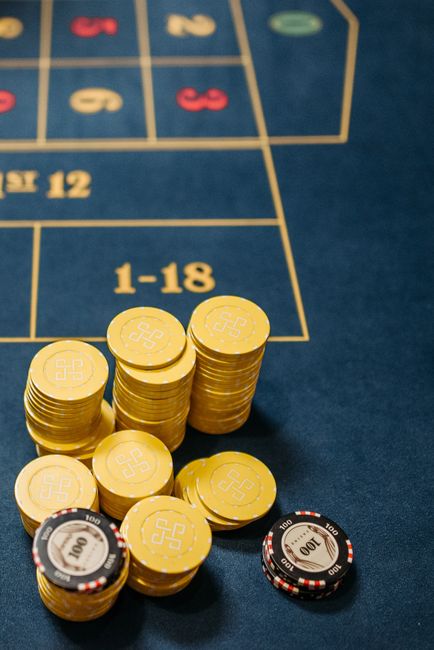
Table games have a known cost. Blackjack played with basic strategy runs about a 0.5% house edge on most six-deck shoe games. Bad blackjack play can push that into 2% or more. Baccarat's banker bet sits around 1.06%, the player bet around 1.24%, and the tie bet at a ghoulish 14.4%. Roulette is 2.7% on a single zero wheel, 5.26% on a double zero wheel, and the difference is why any serious player refuses a double-zero table.
Craps is famously one of the best bets on the floor if you stick to pass, don't pass, and full odds. The house edge on the odds bet is zero. The catch is that it doesn't count toward your comps, which is the entire reason casinos allow it. Take the odds anyway.
The takeaway across all casino games: the edge is fixed, so your only controllable variable is time on the felt. Short sessions with a clear stop-loss are the boring, effective strategy. Ten-hour coin-flipping sessions at 2% edge are not a strategy; they're a slow leak with free drinks.
None of the above matters if you're playing with money you can't lose. The iGaming industry's own data tells the story: player returns spike in the first hour of a session and fall sharply after. The longer you play, the more the math grinds you down, even in skill games.
Set a hard loss limit before you open a client. Set a time limit too. Take breaks every 45 minutes in slots or cash games, because decision quality decays faster than most players admit. If you're chasing, stop. If you're angry, stop. If you're tired, stop. Those three triggers account for a staggering share of blown bankrolls in every vertical.
Treat poker as an investment, slots and table games as entertainment, and sports betting as a war of small percentages. The players who last ten years aren't the ones with the best reads or the hottest streaks. They're the ones who never let a bad night become a bad month, and who treat the house edge like what it is: a posting fee you pay for access to the game, not an adversary to defeat.
That's the real skill. Everything else is variance wearing a costume.

Hi, my name is Anthony kuber. I am artist and fashion designer.
I love to travel and writing blogging.
Your email address will not be published. Required fields are marked *
Software Developer & Writer
Hey, I'm Diva, a developer and writer blending code and creativity. I'm driven by a deep curiosity and a relentless pursuit of excellence. Join me as I craft digital solutions and captivating stories.


